
Chemical Peel in Bandra West, Mumbai
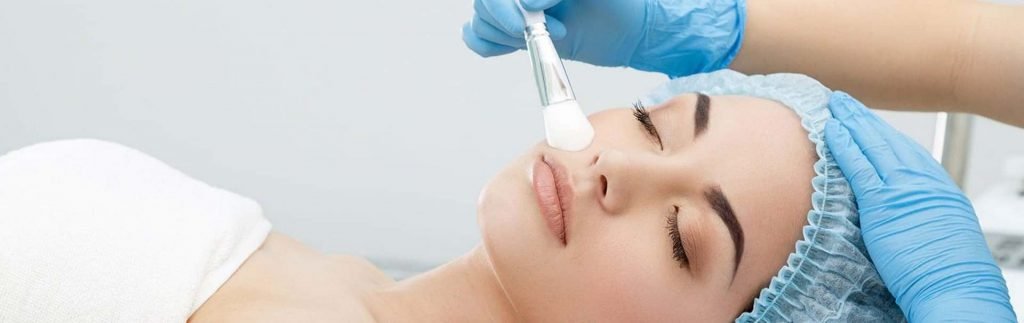
A chemical peel applies a solution that removes the outer layers of skin in a controlled way, prompting the surface to renew. Peels vary enormously in depth and in the acid used, and the right peel depends on what is being treated and on your skin type. At Bliss Skin & Dental Polyclinic in Bandra West, peels are selected after assessment — on deeper skin tones, an over-aggressive peel causes pigmentation rather than clarity, which is the single most common way this treatment goes wrong.
Benefits of chemical peel
- Improves dullness, uneven texture and superficial pigmentation
- One of the most effective treatments for the dark marks left after acne
- Salicylic peels help congestion and mild active acne at the same time
- Depth and acid can be tailored to your skin type, which matters on deeper skin tones
- Superficial peels have minimal downtime — light flaking for a few days
- A course produces cumulative improvement rather than a one-off effect
- Considerably less expensive than energy-based treatment for comparable pigmentation concerns
Areas treated
- Full face — the standard area
- Neck and décolletage, treated more conservatively as the skin is thinner
- Back and chest, for acne and post-acne marks
- Hands and forearms, for sun damage
- Underarms, elbows, knees and knuckles for frictional pigmentation
- Localised areas, where a spot treatment approach suits better
Conditions treated
What peels are good for
- Dull, uneven texture
- Post-inflammatory hyperpigmentation — the dark marks left after acne, which are usually what people mean when they say acne scars
- Superficial sun-induced pigmentation
- Congestion, blackheads and mild active acne, particularly salicylic peels
- Melasma, as part of a wider plan rather than alone
- Fine lines and general skin quality
The procedure, step by step
What happens at a peel appointment
- Skin is assessed and, on a first visit, primed with prescribed topicals for a few weeks beforehand
- Cleansing and degreasing of the area
- Eyes and sensitive areas protected
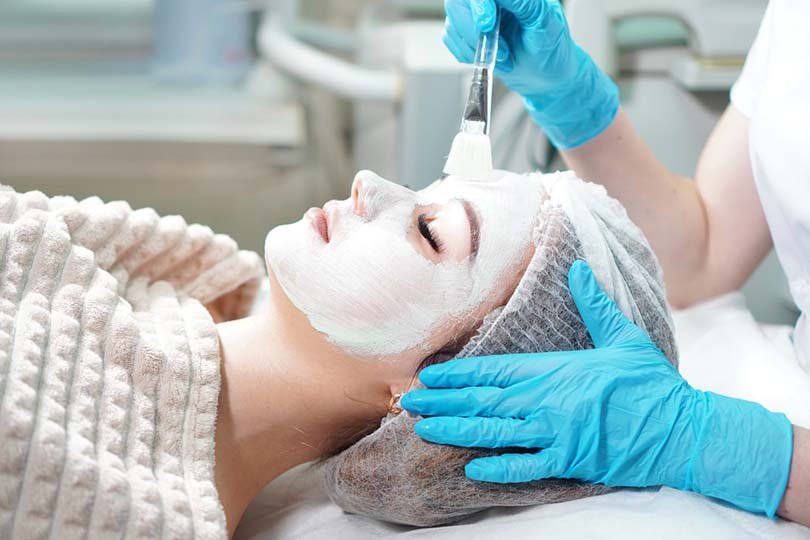
- The peel solution is applied in layers and timed carefully — depth is controlled by concentration and contact time
- Neutralised or removed according to the agent used
- Soothing, bland moisturiser and broad-spectrum sunscreen applied
- Written aftercare, because what you do for the next week determines the result
Downtime and recovery
Preparing
- Skin is often primed for a few weeks beforehand with prescribed topicals, which improves results and reduces pigmentation risk
- Stop retinoids and strong actives several days before, as directed
- No waxing, threading, hair removal creams or other treatments on the area for a week before
- Strict sun avoidance before and after — non-negotiable
- Tell the clinic about cold sores; antiviral cover may be needed
- Tell the clinic about isotretinoin use, current or recent
Afterwards
- Tingling and redness on the day; flaking typically from day two or three
- Do not pick or pull peeling skin. This is how pigmentation and scarring happen
- Bland moisturiser and broad-spectrum sunscreen, reapplied, every day
- No exfoliants, retinoids, scrubs, steam, sauna or swimming until the skin has settled
- Makeup usually after 24 hours for a superficial peel
Results timeline
- Priming: often a few weeks of prescribed topicals beforehand, which improves results and reduces pigmentation risk
- Day 0: tingling and redness
- Days 2–5: flaking, varying with depth
- Days 5–10: skin settles and brightness becomes apparent
- Across a course: cumulative improvement, usually over several sessions spaced weeks apart
- Maintenance: periodic peels plus daily sun protection, without which the pigmentation returns
Cost of chemical peel in Bandra
Bliss does not publish treatment prices. A figure quoted before an assessment is a guess, and a published price goes stale and then misleads. You are given a written estimate after the examination and before treatment starts, and you are told before anything changes.
What the figure reflects:
- The acid used and the depth of the peel
- The area treated — face, neck, back or body
- The number of sessions in the course
- Whether priming topicals are prescribed beforehand
- Whether it is combined with other treatment in a plan
- Maintenance peels afterwards
Chemical peel compared with the alternatives
Depths, and why it matters
Superficial peels
Glycolic, lactic, mandelic and salicylic acids at lower concentrations. Treat dullness, mild texture, congestion and superficial pigmentation. Minimal downtime, typically light flaking for a few days. A course is needed — one peel is a facial, a course is a treatment.
Medium-depth peels
Typically TCA-based. Used for more established pigmentation, superficial acne marks and texture. Real downtime, with visible peeling over several days and a strict aftercare routine.
Deep peels
Rarely appropriate for Indian skin because of the pigmentation risk, and needing specific medical supervision.
Mandelic and lactic acids are often preferred as starting points on deeper skin tones because their larger molecular size makes them gentler and less likely to provoke pigmentation.
What they are not good for
- Textural acne scarring — indentations and boxcar scars need resurfacing, microneedling or subcision, not a peel
- Deep wrinkles and significant laxity
- Active severe or cystic acne, which needs medical treatment first
The single most important distinction
Dark marks left behind after a spot heals are pigmentation, and peels treat them well. Indentations and depressions in the skin surface are scars, and peels do not treat them. Patients frequently arrive asking for peels for the second and describe them as the first. An assessment that gets this right saves a course of the wrong treatment.
Risks, suitability and important considerations
- Post-inflammatory hyperpigmentation — the main risk on Indian skin and the reason depth is chosen conservatively
- Hypopigmentation, less common but more persistent
- Prolonged redness or irritation
- Infection, including reactivation of cold sores
- Scarring, uncommon, usually associated with picking or inappropriate depth
- Incomplete response, and the need for a course rather than one treatment
Chemical peel at Bliss, Bandra West
The clinic is on the 2nd floor at 6 Hilton Apartment, 35-A Hill Road, opposite Elco Shopping Centre in Bandra West, a short walk from Hill Road and within easy reach of Bandra station, Khar, Santacruz and Mahim.
Frequently asked questions
Are chemical peels safe for Indian skin?
Yes, when the acid and depth are chosen appropriately. Deeper skin tones carry a higher risk of post-treatment pigmentation, so superficial peels and gentler acids such as mandelic and lactic are often the sensible starting point.
How many peels will I need?
A course is usual — a single peel is closer to a facial. The number depends on the concern and your skin, and is set after assessment.
Will my skin peel visibly?
Superficial peels usually cause light flaking for a few days. Medium peels cause more obvious peeling. How much you peel is not a measure of how well it worked.
Do peels treat acne scars?
They treat the dark marks left after acne, which is what most people mean. They do not treat indentations or textural scarring, which need microneedling, subcision or resurfacing.
Can I have a peel before a wedding?
Yes, with enough lead time. Allow at least two to three weeks for a superficial peel and considerably longer for anything deeper. Never have a first-ever peel days before an event.
Does it hurt?
Tingling, warmth or stinging during application, usually brief and manageable.
Can I have a peel if I am on isotretinoin?
Not during treatment and not for a period afterwards. Tell the clinic, because it changes how skin heals.
What if I peel and pick at it?
That is the main way peels cause pigmentation and scarring. Let it come away on its own, however tempting.
Who carries out this treatment
Skin and aesthetic treatments at Bliss Skin & Dental Polyclinic are carried out by qualified dermatologists. Every treatment begins with an assessment of your skin type, your concern and your medical history, and the protocol — device, depth, settings and aftercare — is selected for that assessment rather than applied from a fixed package.
Where a concern turns out to be medical rather than aesthetic, or where a procedure is not the right answer for what you actually have, you will be told and directed appropriately instead of being sold a course.
Book an appointment
Call +91 93221 22111, message the clinic on WhatsApp, or book online. Bliss Skin & Dental Polyclinic, 2nd Floor, 6 Hilton Apartment, 35-A Hill Road, Opposite Elco Shopping Centre, Bandra West, Mumbai 400050.
Call now | WhatsApp | Book an appointment | Get directions
Related treatments at Bliss
Sources and further reading
- Phone:
- For Appointments: +91 9322 122 111
- General Inquiries: +91 9323 133 222
- Website: Bliss Hair, Skin & Dental Clinic: https://blisskindental.com
- Social Media:
- Facebook: Bliss Hair, Skin & Dental Clinic Facebook Page: https://www.facebook.com/blisskindental
- Instagram: Bliss Hair, Skin & Dental Clinic Instagram: https://www.instagram.com/blisskindental/
- YouTube: Bliss Hair, Skin & Dental Clinic YouTube Channel: https://www.youtube.com/@blisskindentalpolyclinic4874
Location:
- Address: Bliss Hair, Skin & Dental Clinic, 6 Hilton Apartment, 35-A Hill Road, Bandra-50 AS, Opp Alco Shopping Centre, Mumbai – 400 050
- Google Maps: Bliss Hair, Skin & Dental Clinic on Google Maps: https://g.page/BestskinDermatologistinBandra?gm
You can even find us on :
- Bliss Hair, Skin & Dental Clinic on Justdial: https://www.justdial.com/Mumbai/Bliss-Skin-And-Dental-Polyclinic-Metropolis-Lab-Opposite-Elco-Shopping-Centre-Bandra-West/022PXX22-XX22-171014154721-E2I4_BZDET
- Bliss Hair, Skin & Dental Clinic on Practo: https://www.justdial.com/Mumbai/Bliss-Skin-And-Dental-Polyclinic-Metropolis-Lab-Opposite-Elco-Shopping-Centre-Bandra-West/022PXX22-XX22-171014154721-E2I4_BZDET
- Bliss Hair, Skin & Dental Clinic Featured on Top Rated: https://www.justdial.com/Mumbai/Bliss-Skin-And-Dental-Polyclinic-Metropolis-Lab-Opposite-Elco-Shopping-Centre-Bandra-West/022PXX22-XX22-171014154721-E2I4_BZDET
- Bliss Hair, Skin & Dental Clinic on Yappe: https://www.blissdentallv.com/
- Bliss Hair, Skin & Dental Clinic on Drlogy: https://blisskindental.com/
Additional Resources to learn more about Botox Treatment in Bandra,Mumbai
- American Society for Dermatologic Surgery: https://www.asds.net/Skin-Experts/News-Room/Press-Releases/New-Survey-Results-Showcase-Dermatologists-as-the-Primary-Influencer-for-Patients-Cosmetic-Procedures-and-Skin-Care-Decisions
- American Academy of Dermatology: https://www.aad.org/public/cosmetic/wrinkles/botulinum-toxin-overview